 Buying Guide
What permanent lighting costs
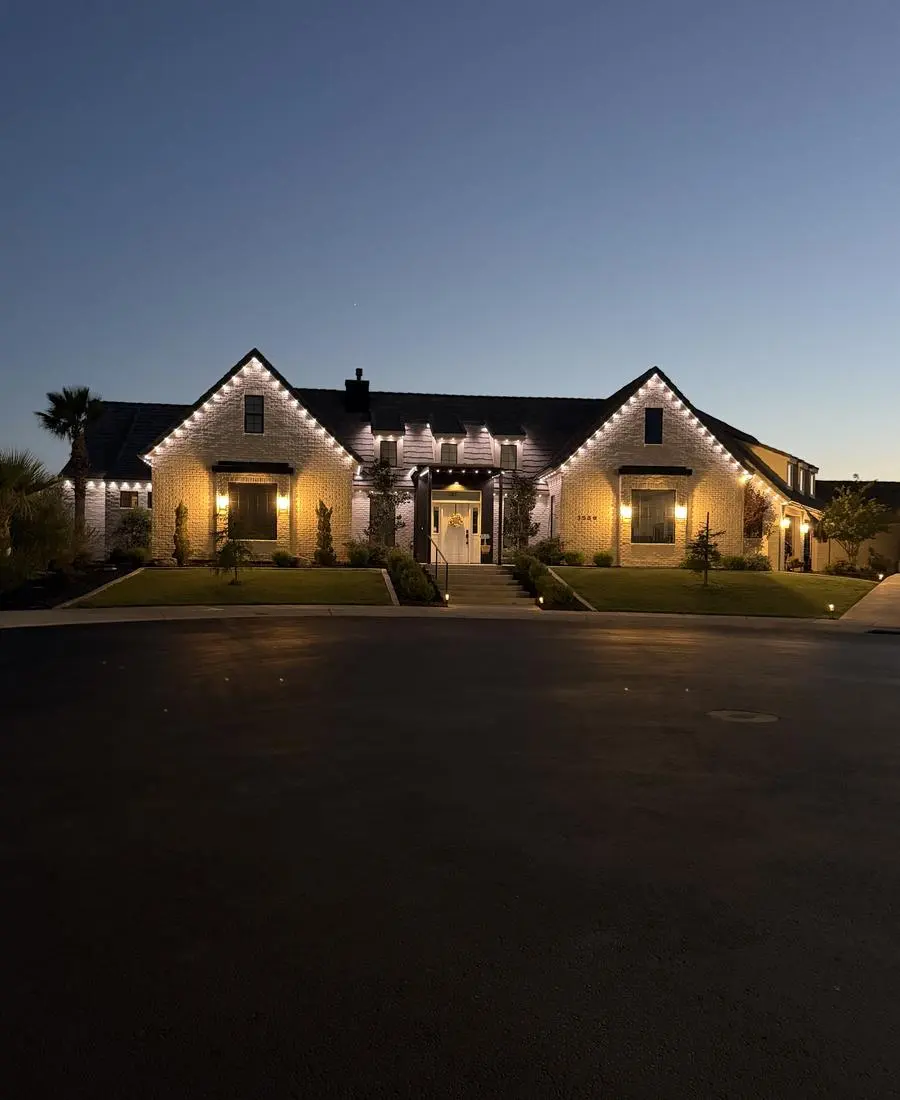
How permanent lighting is actually priced, what drives the number up or down, and how to compare bids without getting fooled by a low per-foot rate.
Read the guide
Permanent Lighting
What the channel is, why addressable fixtures matter, how the controller and app work, what happens in an outage, and how much electricity it uses.
The short version
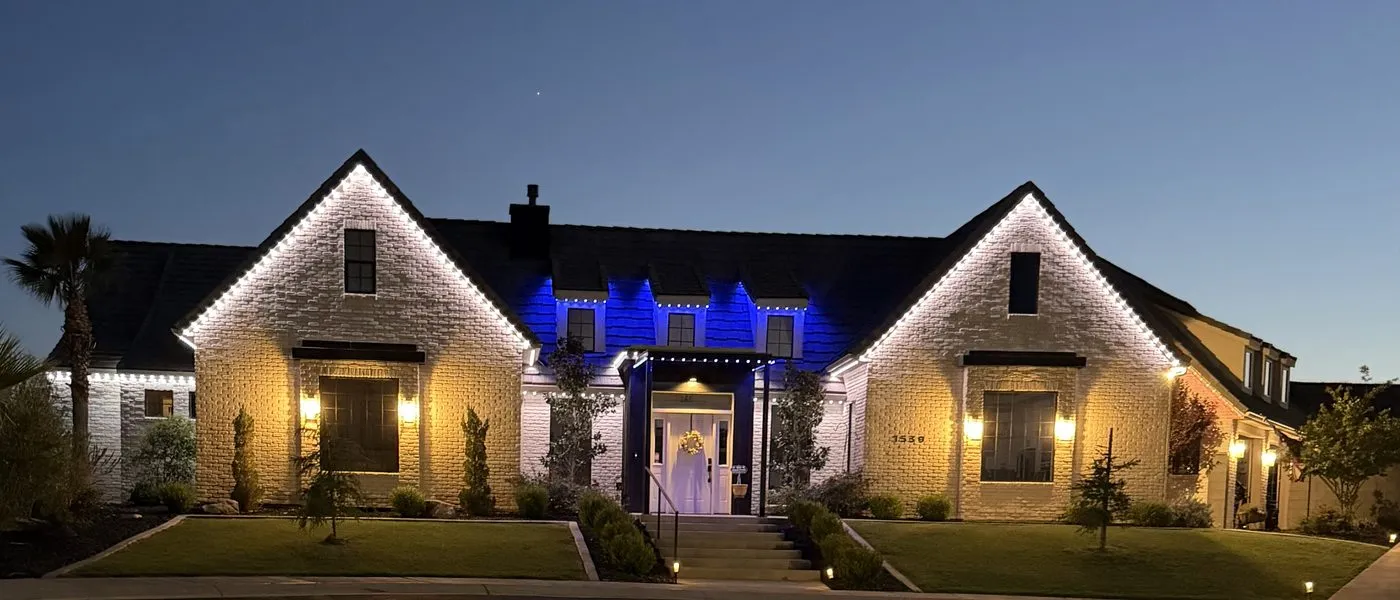
Permanent lighting is four parts — a trim-matched channel, individually addressable LED fixtures, a weather-rated controller, and an app. The addressable part is what matters most: it is why multi-color scenes look like patterns instead of a blended glow.
Most people’s first exposure to permanent lighting is seeing a neighbor’s house change color and wondering how it’s done. It’s genuinely simple once you see the parts, and understanding them makes it much easier to evaluate quotes.
A slim extruded aluminum track that mounts along your fascia — the vertical board at the edge of your roofline, behind the gutter.
Three things matter about it:
It’s color-matched. A good channel is powder-coated to match your existing trim, which is why a well-installed system reads as a shadow line from the street rather than as added hardware. A generic white channel on dark brown trim is immediately visible and looks wrong.
It conceals and aims. The fixtures sit recessed inside the channel, which hides the hardware and directs light along and down the elevation rather than scattering it outward. That’s both an appearance benefit and the reason light trespass onto neighbors is minimal.
It’s mechanically fastened. Fastened to the fascia with screws, not adhered with tape or clipped on. Adhesive fails on hot fascia in summer and ice-loaded fascia in winter, which is why mounting method is one of the most important questions to ask an installer.
Critically, the channel mounts to the fascia board, not through the roofing material. No roof penetration, no effect on your roof warranty.
Individually addressable RGBW LED nodes seated inside the channel at regular intervals.
“Individually addressable” is the single most important technical detail in this entire product category, so it’s worth being precise about what it means: each LED point can display a different color at the same time, independently of its neighbors.
That’s what produces:
Non-addressable strip lighting can only be one color across its whole run. It’s cheaper, and it’s why some systems can’t do what you’ve seen on your neighbor’s house. If a quote seems low, this is worth checking.
The RGBW part also matters. R, G, and B can mix an approximation of white, but a dedicated white diode produces a much better warm white — and warm white is what you’ll run most nights, so it’s the color that should look best.
A weather-rated controller and low-voltage transformer, mounted somewhere discreet — typically near the garage, in an eave, or beside an existing exterior outlet.
The controller holds your saved scenes and your schedule locally. That matters more than it sounds: it means your lights still run on schedule if your Wi-Fi drops, because the schedule lives on the device rather than in a cloud service. You lose remote control until connectivity returns, but the house still lights up at sunset.
After a power outage, the controller restores and resumes its schedule.
iOS and Android. What it controls:
The scheduling is the feature people end up valuing most, and it’s the one nobody anticipates. Assign a scene to a date range and Halloween and Christmas simply happen. You don’t open the app at all.
The honest answer: visible if you look for it, invisible if you don’t.
A trim-matched channel against the fascia reads as a thin shadow line or a slightly deeper trim edge. From the street at normal viewing distance, most people cannot identify it as lighting.
This is the question HOA review committees care about most, which is why we bring daytime photographs to estimates rather than only nighttime shots. Ask any installer for a daylight photo of a home with trim similar to yours — a nighttime photo doesn’t answer the question being asked.
Lower than people expect. These are LEDs.
A typical home running a full-brightness pure white scene draws roughly what a handful of traditional incandescent bulbs would. The warm white accent scenes most people actually run nightly, at reduced brightness, use meaningfully less than that.
Compared to old-style incandescent holiday strands, it isn’t close — and unlike those, you’re not running it at full output for six weeks straight.
Quality fixtures are sealed and weather-rated for the full range they’ll see: desert heat over 110°F, sub-zero winters, snow load, ice, driving rain, and humidity.
Two installation details do most of the work on longevity:
Channel orientation. Properly installed, the channel sheds water and snow rather than collecting it. A channel that holds standing water or packed ice will shorten the life of anything inside it.
Connection quality. Weather-rated connectors and proper strain relief on every wire run. This is invisible on a finished job and it’s where corner-cutting hides.
Ask for the fixture manufacturer and the IP rating. A reputable installer will tell you without hesitating.
Honestly: not much, but nothing is immune.
Individual nodes can fail. Controllers can fail. Physical damage happens — a ladder, a falling branch, a roofer who didn’t know the channel was there.
What matters is the service arrangement. Because the fixtures are in a channel rather than permanently embedded, sections can be serviced without redoing the system. The question to ask is who does that work, and whether labor is covered under warranty or only the part.
We keep records of every system we install — the fixture run, the zone map, the controller configuration. A service call three years out starts from our notes rather than from a technician rediscovering your house.
For a typical single-family home, one day:
More detail on the full process here.
Want to see it in person? Request a free on-site estimate — we’ll bring daylight and nighttime photos of comparable homes and measure your roofline while you watch.
Written by
The Avid Home Services install team
We install permanent lighting across 11 markets and artificial turf in St. George, Utah. More about us →
Keep Reading
Buying GuideHow permanent lighting is actually priced, what drives the number up or down, and how to compare bids without getting fooled by a low per-foot rate.
Read the guide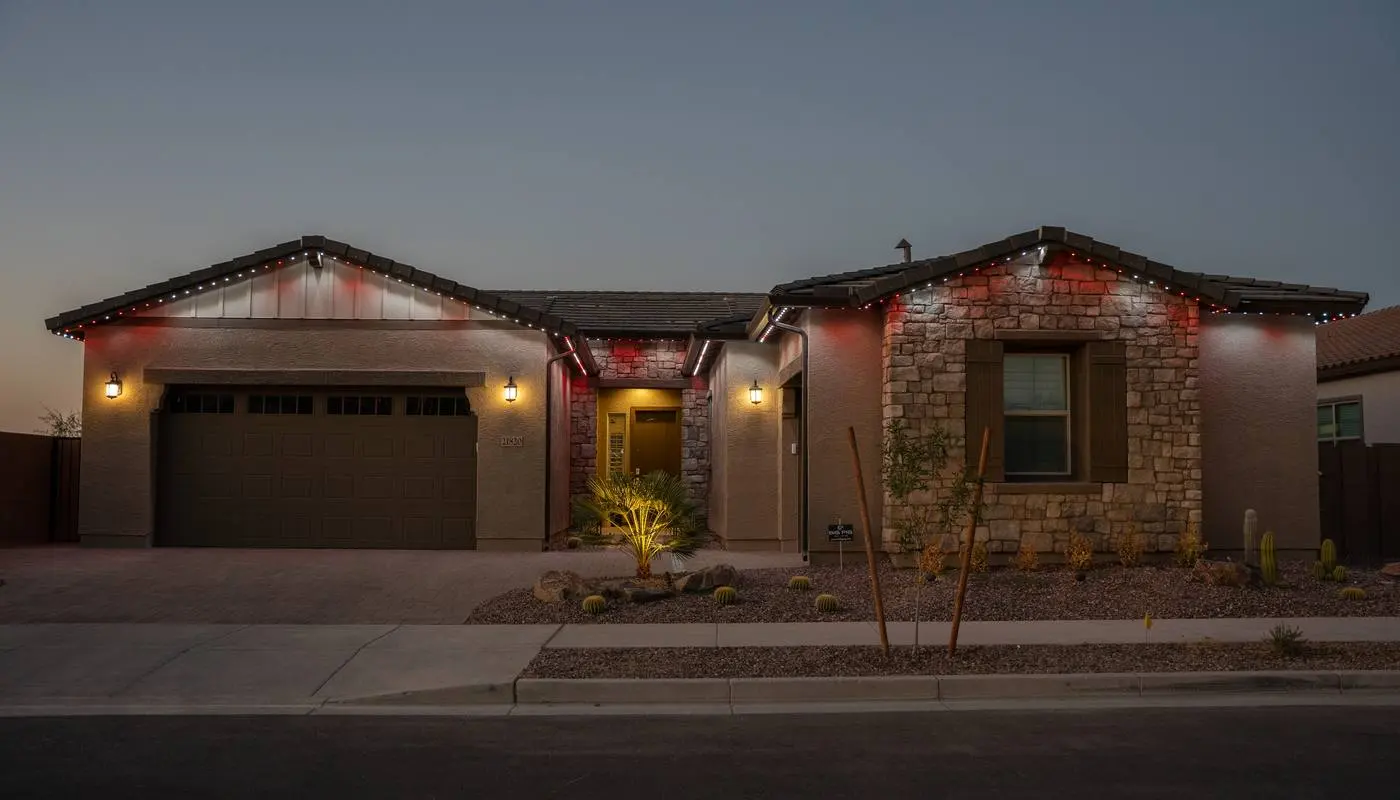 Buying Guide
Permanent roofline lighting compared to seasonal Christmas lights: cost over time, appearance, labor, safety, and when seasonal lights really do win.
Read the guide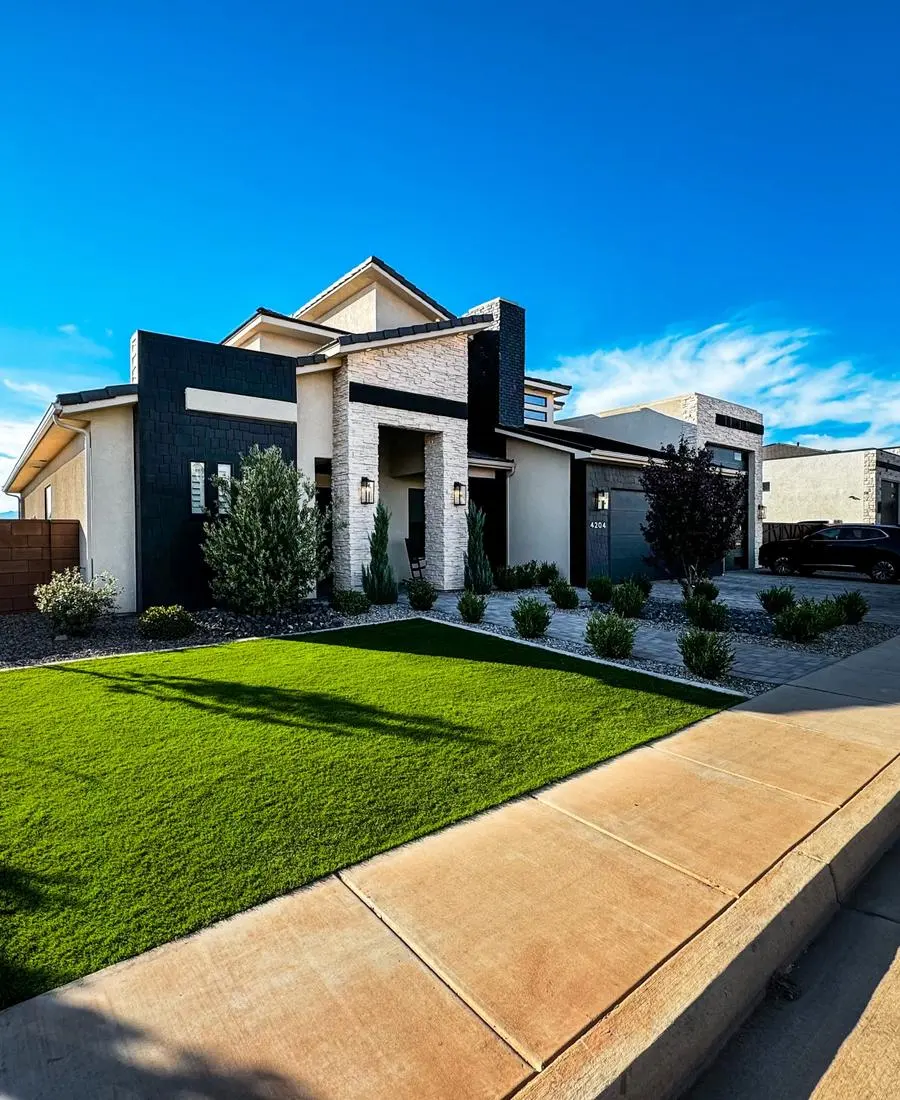 Artificial Turf
How artificial turf is priced in St. George, why two yards of the same size quote differently, and what base prep actually includes in a real bid.
Read the guideFree Estimate
We show up, measure your home, and give you an exact number on the spot. No deposit to get a quote, no pressure, no gimmicks.