 Buying Guide
Permanent vs. seasonal lights
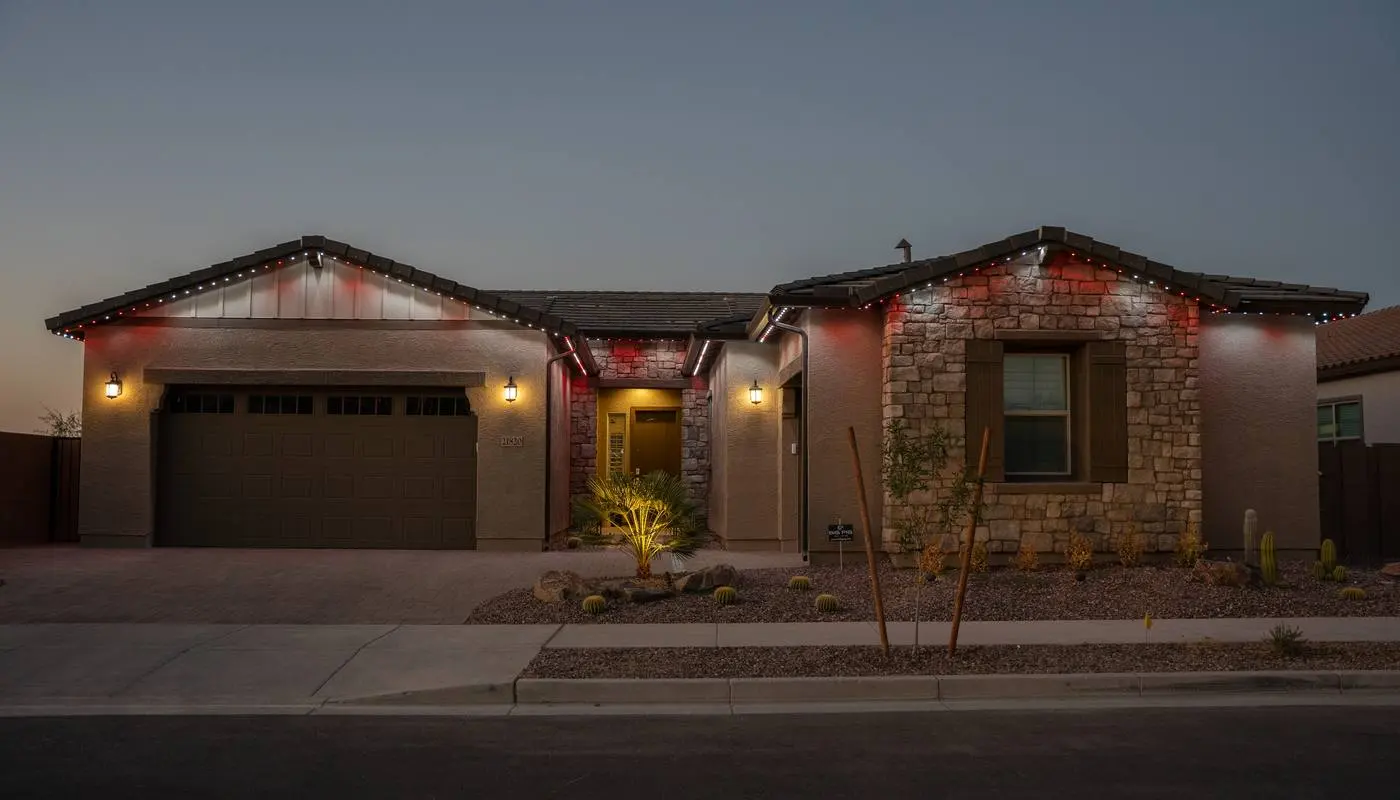
Permanent roofline lighting compared to seasonal Christmas lights: cost over time, appearance, labor, safety, and when seasonal lights really do win.
Read the guide
Permanent Lighting
Why early fall is the real deadline for holiday lights, what a spring or summer install gets you, and how far ahead you need to book a crew.
The short version
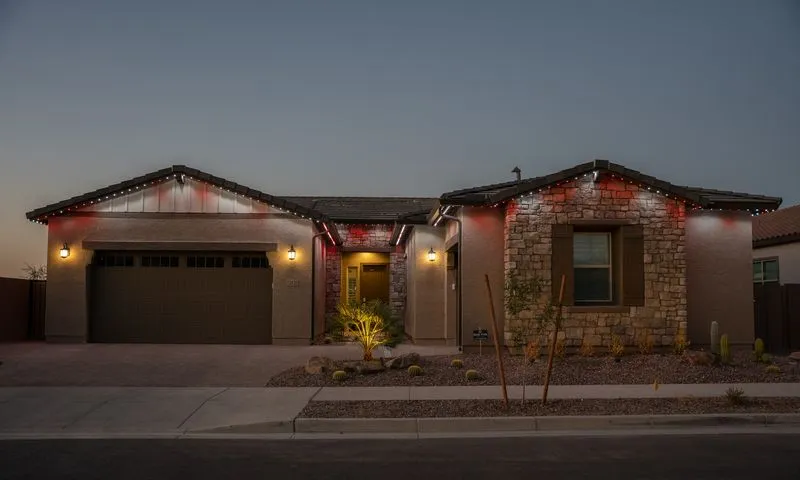
If you want lights running for the holidays, book by early fall — September and October are our busiest months by a wide margin and dates fill. Spring and summer installs are the most relaxed scheduling and let you enjoy the system for months before December.
Permanent lighting can be installed almost any time of year. But the scheduling reality is seasonal, and knowing it saves you from a disappointing phone call in late November.
Want lights for the holidays? Book by early fall. September and October are our heaviest install months in every market. Once those weeks are full, they’re full.
Want the easiest scheduling and the lowest-stress process? Install in spring or early summer. You’ll get the widest choice of dates, and you’ll have the system for months before anyone else starts thinking about December.
Realized in mid-December that you want it? Call anyway. We can sometimes fit a job in, particularly in warm markets. Just don’t count on it.
The demand curve for this product is almost comically concentrated. People think about exterior lighting when they see their neighbors putting up lights — which is late October and November. Everyone has the same realization in the same three weeks.
That creates a problem: the installs people want completed before Thanksgiving all have to happen in a narrow window, and crews are finite. Our capacity is a known quantity in every market, and in October it’s committed.
The homeowners who get exactly the date they want are the ones who called in August.
This is genuinely the best time, and most people don’t consider it because they associate the product with Christmas.
You get the whole year out of it. Warm white accent lighting on summer evenings, color for the Fourth of July, team colors through football season, Halloween, and then Christmas — rather than paying for a system in November and using it for six weeks before winter.
Scheduling is relaxed. Wide date availability, no competing with a rush, and you’re not anxious about whether it’ll be done in time for anything.
Better install conditions. Dry, mild weather is better for working on a roofline than November wind or December ice. That’s partly a safety issue and partly a quality one — unhurried crews in good conditions do better work.
You have time to learn the app before it matters. Rather than figuring out your Christmas scene the week of, you’ll have had months to build and save presets.
The most popular window, for obvious reasons. It works well if you plan ahead.
What to know:
This depends heavily on where you are.
Warm markets — St. George, Las Vegas, Orlando, Tampa, Jacksonville — install year-round without weather interruption. January through March is actually excellent timing in these cities: easy scheduling, good conditions, and you’re set well before next season.
Snow markets — Salt Lake City, Reno, Cleveland, Columbus, Nashville during ice events, and Charlottesville — are more constrained. We install through much of the winter, but we schedule around active storms and ice accumulation. Working on an ice-loaded fascia at roof height isn’t something we’ll do, and we’d rather move your date than take that risk.
Practically, winter in a snow market means some flexibility on your part. If that’s fine with you, availability is good.
Worth saying plainly: these are the markets where the product’s value is highest, precisely because the alternative is worst.
Hanging strands in November wind and taking them down in January ice is the exact problem permanent lighting eliminates. In Cleveland or Salt Lake, the pitch isn’t really about holiday convenience — it’s about never going up a ladder in those conditions again.
Our fixtures are rated for sub-zero operation, and the channel is oriented to shed snow and ice melt rather than collect it. Once it’s installed, winter stops being a lighting problem.
A realistic planning guide:
| If you want it running by | Start the process |
|---|---|
| Summer evenings | Spring — anytime, easy scheduling |
| Football season | Midsummer |
| Halloween | Late summer |
| Thanksgiving | Early fall at the latest |
| Christmas | Early fall — do not wait for November |
| Next year, no rush | Winter or spring, best availability |
“Start the process” means requesting the estimate, not deciding. The estimate is free, there’s no deposit, and nothing expires — so getting a quote early costs you nothing and preserves your options.
For planning purposes:
More detail in how it works.
The genuinely useful advice here is to get a price in hand early, whatever your timeline. It’s free, it takes under an hour, and it converts “I wonder what that costs” into a real decision you can make on your own schedule — rather than in a hurry in late November.
Request a free estimate or call us and we’ll tell you honestly what availability looks like in your market right now.
Written by
The Avid Home Services install team
We install permanent lighting across 11 markets and artificial turf in St. George, Utah. More about us →
Keep Reading
Buying GuidePermanent roofline lighting compared to seasonal Christmas lights: cost over time, appearance, labor, safety, and when seasonal lights really do win.
Read the guide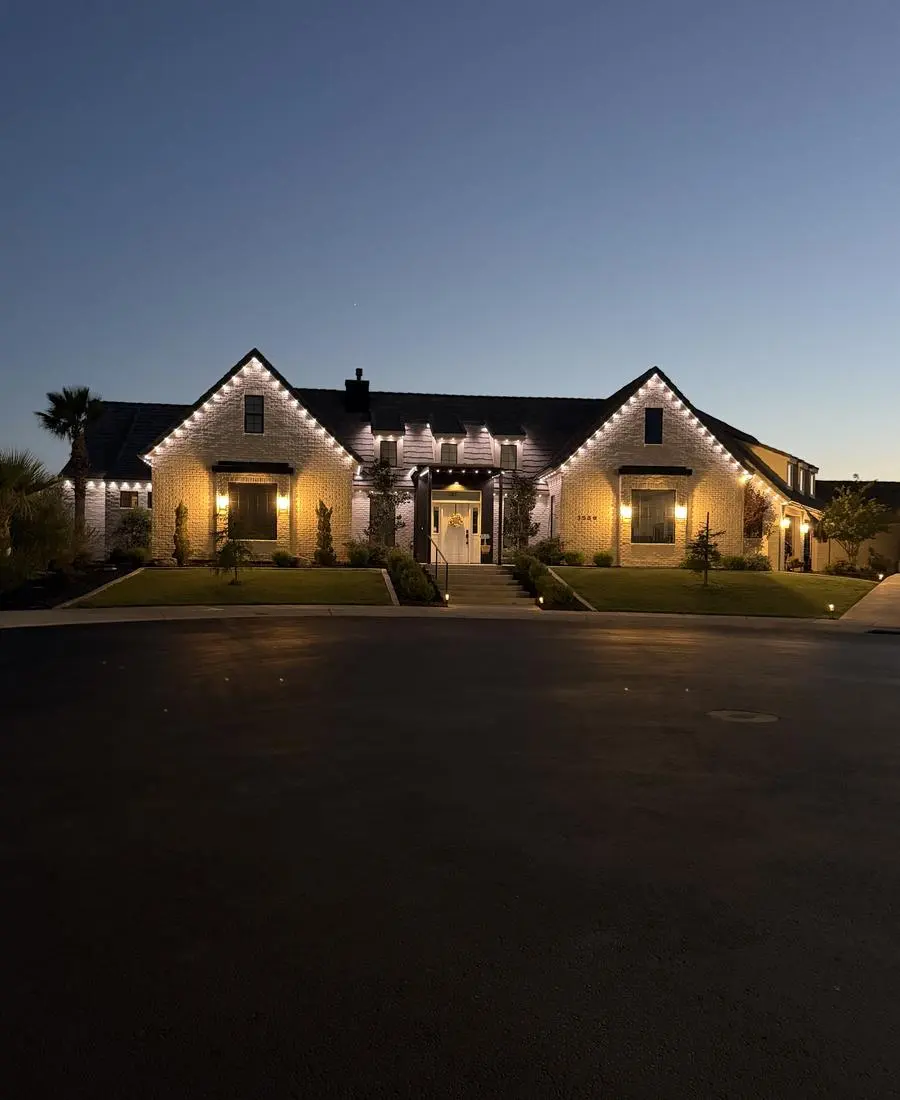 Buying Guide
How permanent lighting is actually priced, what drives the number up or down, and how to compare bids without getting fooled by a low per-foot rate.
Read the guide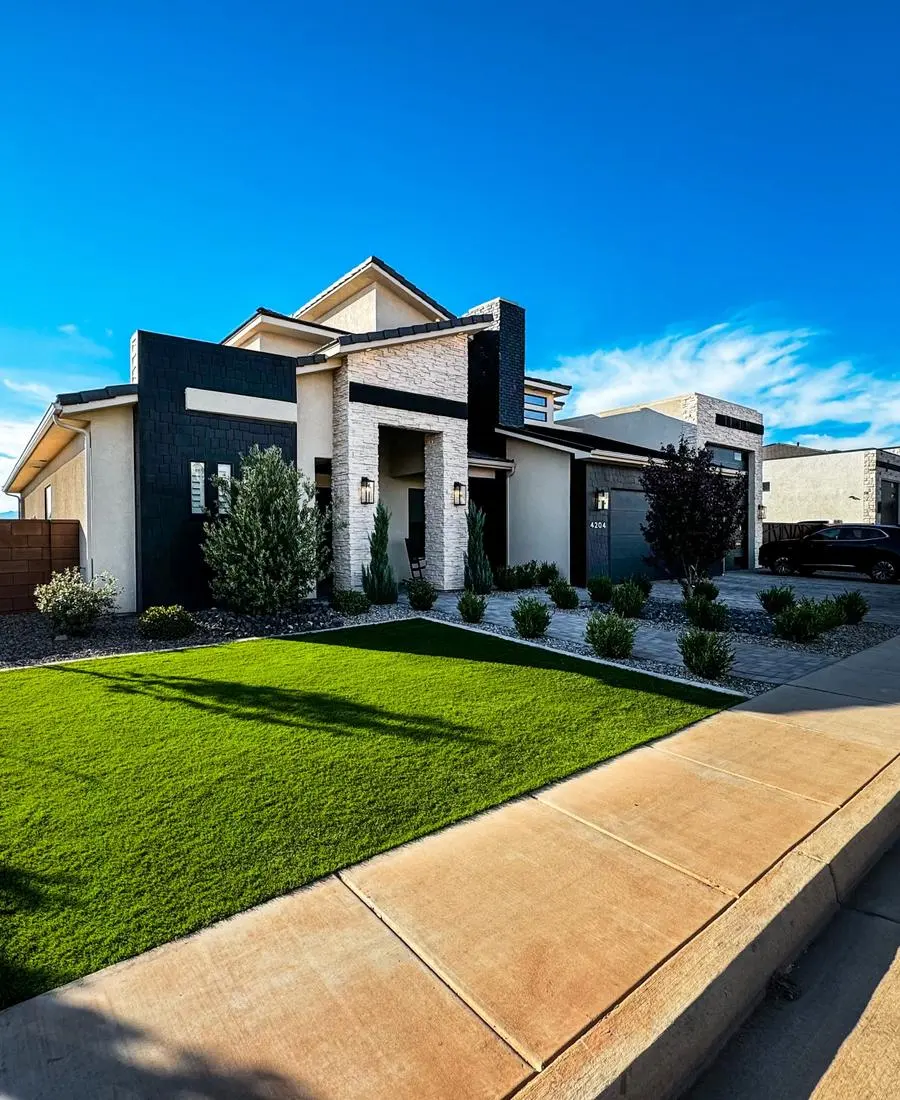 Artificial Turf
How artificial turf is priced in St. George, why two yards of the same size quote differently, and what base prep actually includes in a real bid.
Read the guideFree Estimate
We show up, measure your home, and give you an exact number on the spot. No deposit to get a quote, no pressure, no gimmicks.